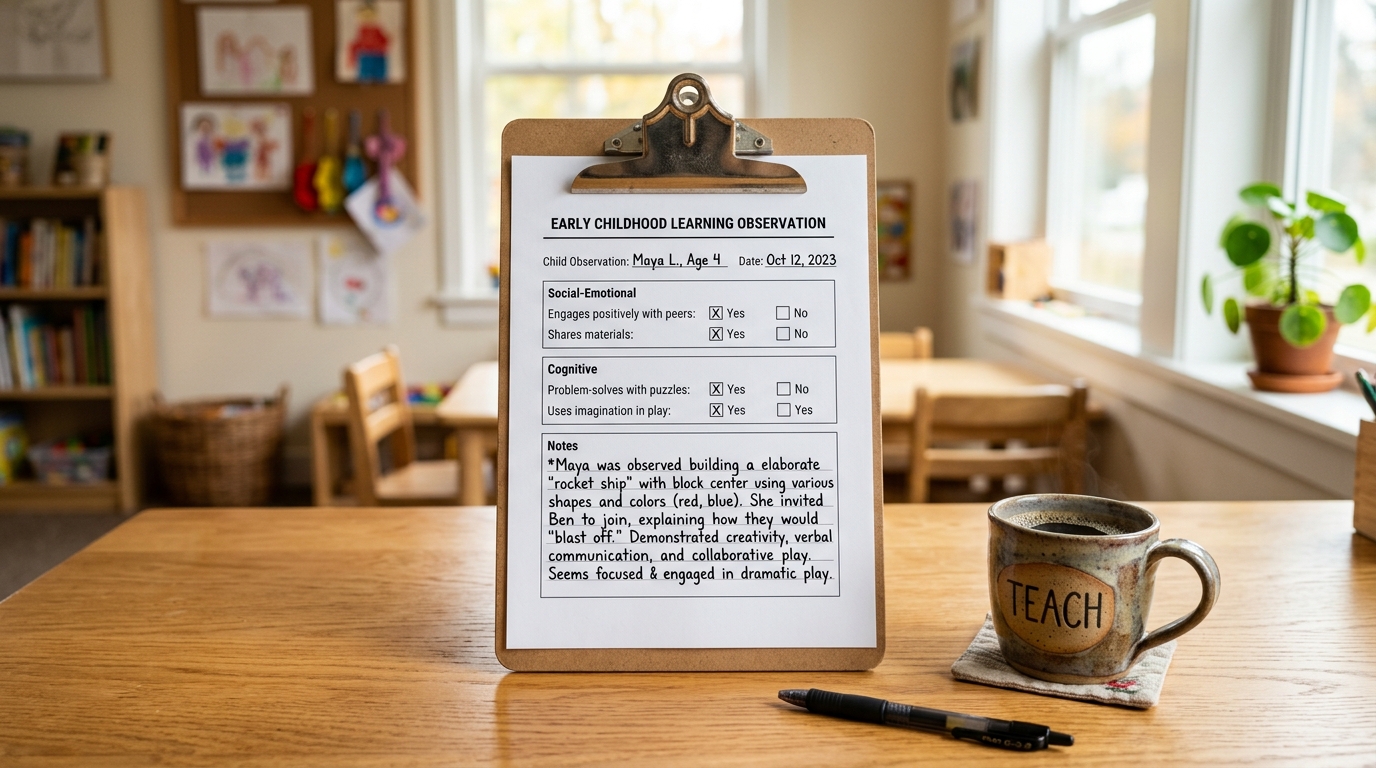
Emotional literacy begins with responsive, co-regulating relationships between educators and children.
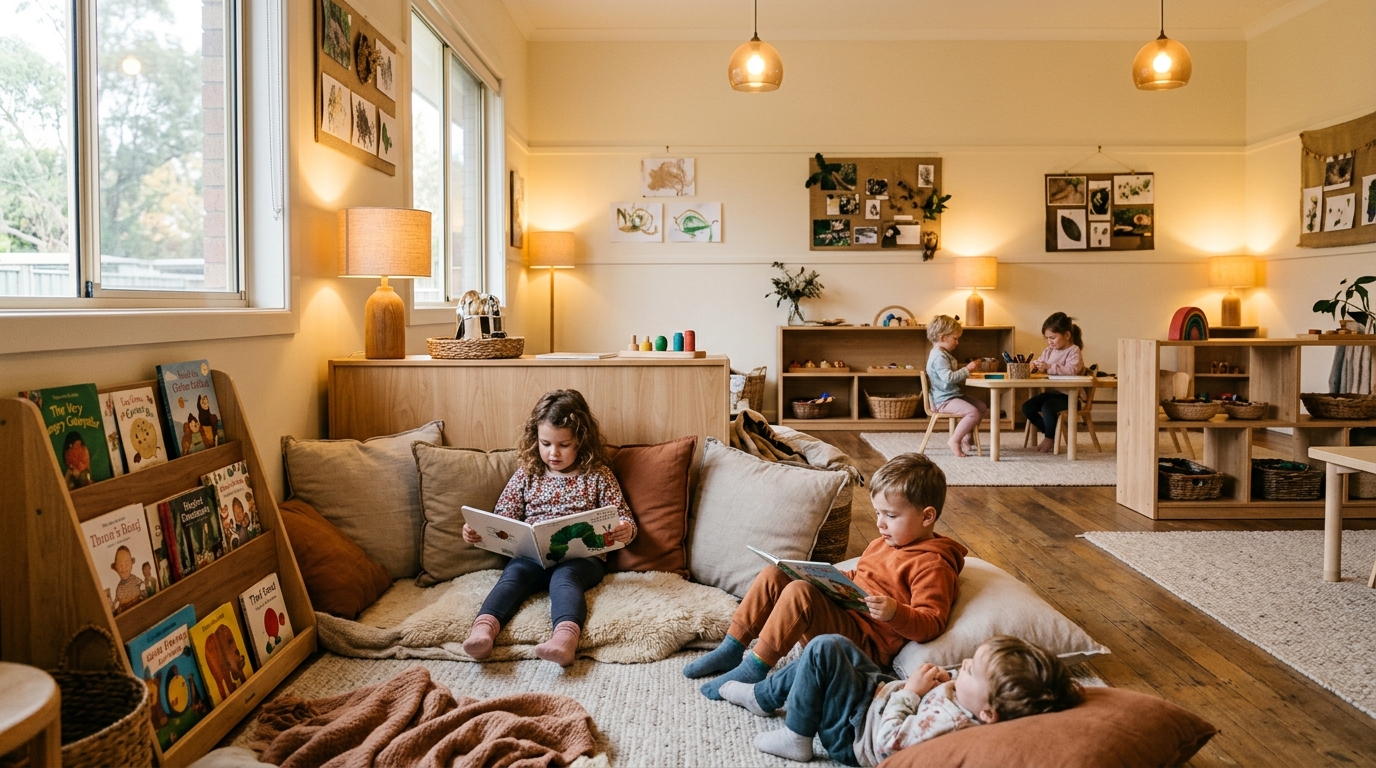
Using visual tools, feeling vocabularies, and quiet reflection spaces can help children identify and name their sensations.
When educators model emotional expression and validate feelings, children build lifelong self-regulation capacities.